13th February 2026
In support of International Childhood Cancer Day (Sunday 15 February), we are delighted to share this blog by Dr Jennifer Kelly. Jennifer has a medical background in General Practice, which continues to inform her leadership as founding CEO of the Grace Kelly Childhood Cancer Trust. As a bereaved parent, she brings both professional and lived experience to her work, bridging the gap between families, healthcare professionals and policymakers, with a focus on evidence-informed approaches to earlier diagnosis of childhood cancer.
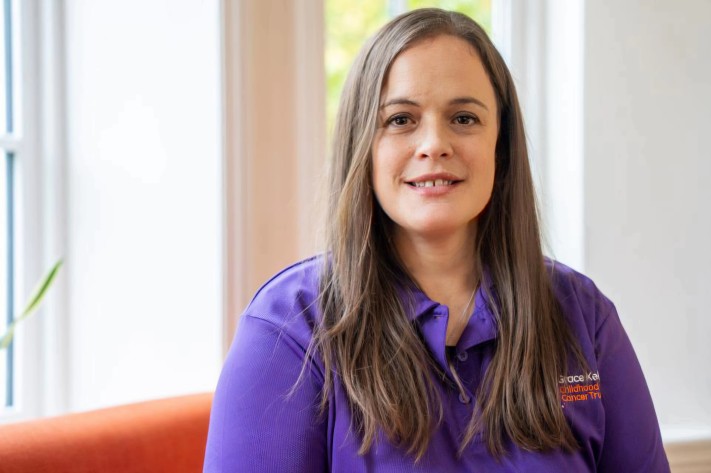
Dr Jennifer Kelly, CEO of the Grace Kelly Childhood Cancer Trust
Sunday 15 February marks International Childhood Cancer Day, an important opportunity to reflect on how we can improve the early recognition of childhood cancer and ensure families feel listened to when something doesn’t feel right.
Childhood cancer is not as rare as it seems
In the UK, over 4,000 children and young people are diagnosed with cancer each year. Although considered rare, when all types of childhood cancers are considered together, they affect around one in 450 children before age 15, meaning it is not as rare as first perceived.
Parents whose children have been diagnosed frequently say that, in hindsight, they noticed early changes such as unexplained bruising, persistent tiredness, pain that did not resolve, or infections that kept returning. At the time, however, these signs did not seem unusual enough to cause alarm. Most families expect normal childhood illnesses, not cancer, and are often reassured that symptoms are viral, developmental, or something a child will grow out of.
The role of health visitors and collaborative working
Early recognition of cancer relies on joined-up working across community and healthcare settings. Health visitors, primary care teams, early years practitioners and hospital-based professionals all see children at different points in their lives, and every perspective matters. Patterns that may not be obvious in a single consultation can become clearer when concerns are shared, reattendance is recognised, or parental anxiety persists over time.
Health visitors play a particularly important role in this system. By knowing families well and working closely with GPs, community services and paediatric teams, health visitors are often the professionals who first hear that something “just isn’t right”. Supporting parents to trust their instincts, validating their concerns, and encouraging timely review in primary care can help ensure that children who need further investigation are not missed.
Knowing the signs without causing alarm
Raising awareness of childhood cancer is not about frightening families or encouraging unnecessary consultations. It is about empowering parents with knowledge, helping them to trust their instincts, and ensuring they feel confident seeking further review when concerns persist. Just as public awareness campaigns have improved recognition of conditions such as meningitis, childhood cancer deserves the same clarity and visibility.
The signs and symptoms can be varied and non-specific. They may include a child becoming unusually pale or tired, pain that does not go away or keeps returning, a lump or swelling, unexplained bruising or bleeding, persistent infections, or changes in vision such as a new squint. While the vast majority of children with these symptoms will not have cancer, understanding what to look for can help families and professionals decide when symptoms warrant further assessment.
Currently, only three in ten parents feel confident they could recognise the signs and symptoms of childhood cancer. This highlights a significant gap in awareness and reassurance.
Introducing “You Know Them Best”
To address this, the Grace Kelly Childhood Cancer Trust has launched “You Know Them Best”, a national awareness campaign designed to support parents and carers to recognise the signs and symptoms of childhood cancer and to trust their instincts. The campaign provides clear, simple and reassuring information, encouraging parents to seek medical advice when something does not feel right, particularly if symptoms persist or recur.


The resources have been developed by GPs, peer-reviewed by paediatric specialists and public health professionals, and user-tested with families to ensure they are clear, accessible and supportive. Importantly, the campaign is designed not to increase unnecessary consultations, but to improve the quality and timeliness of help-seeking when concerns remain.
Parents are advised to seek medical review if their child has one or more concerning or unusual symptoms, if symptoms last longer than two weeks, if symptoms keep returning, or if they are worried. Health visitors can play a key role in reinforcing these messages and supporting families to return for further review if concerns persist. Evidence also shows that three or more attendances for the same issue are associated with a significantly increased risk of childhood cancer, underlining the importance of reattendance and persistence as potential red flags.
Why it matters
Childhood cancer remains the leading medical cause of death of children in the UK. Behind every statistic is a child, a family, and a life profoundly affected. Children with cancer may not yet have the chance to make headlines or public names for themselves, but their lives and futures are no less important. Rare should never mean overlooked.
Health visitors are encouraged to familiarise themselves with the You Know Them Best resources and share them with families where appropriate. You can find out more about the campaign and access signs and symptoms cards and information at:

Health Visitor Action Points
- Trust parental instinct – if a parent says “something doesn’t feel right,” take it seriously.
- Look for persistence and patterns – reattendance, recurring symptoms, or symptoms not responding as expected can be red flags.
- Work collaboratively – share observations with primary care colleagues, early years practitioners, and hospital teams to support earlier diagnosis and better outcomes for children and young people.
- Empower families – provide clear, reassuring information and encourage timely review without causing unnecessary alarm.
Dr Jennifer Kelly, CEO of the Grace Kelly Childhood Cancer Trust
References
- IPSOS MORI survey, Quantifying diagnostic intervals and routes to diagnosis for children and young people with cancer in the UK (Childhood Cancer Diagnosis study), 2021. The Lancet Regional Health – Europe. https://www.thelancet.com/journals/lanwpc/article/PIIS2666-7762(25)00121-8/fulltext
- CRUK, https://www.cancerresearchuk.org/health-professional/cancer-statistics/childrens-cancers/incidence, accessed January 2025.
- CRUK, https://www.cancerresearchuk.org/health-professional/cancer-statistics/young-people-cancers/incidence, accessed January 2025.
- Gatta G, et al. Childhood cancer survival in Europe. Ann Oncol. 2003;14(Suppl 5):v119–27. doi: 10.1093/annonc/mdg755.
- Lethaby CD, et al. A systematic review of time to diagnosis in children and young adults with cancer. Arch Dis Child. 2013;98(5):349–55.
- Pritchard-Jones K, et al. Evidence for a delay in diagnosis of Wilms’ tumour in the UK compared with Germany. Arch Dis Child. 2016;101(5):417–20.
- Liu JF, et al. Public awareness of childhood cancer signs and symptoms in Great Britain: a cross-sectional survey. Arch Dis Child. 2023 Dec.
- Walker DA. Helping GPs to diagnose children’s cancer. Br J Gen Pract. 2021;71(705):151–152. doi:10.3399/bjgp21X715241


