5th August 2026
In support of World Breastfeeding Week (1-7 August), we are delighted to share this Voices blog from the Department of Health and Social Care.

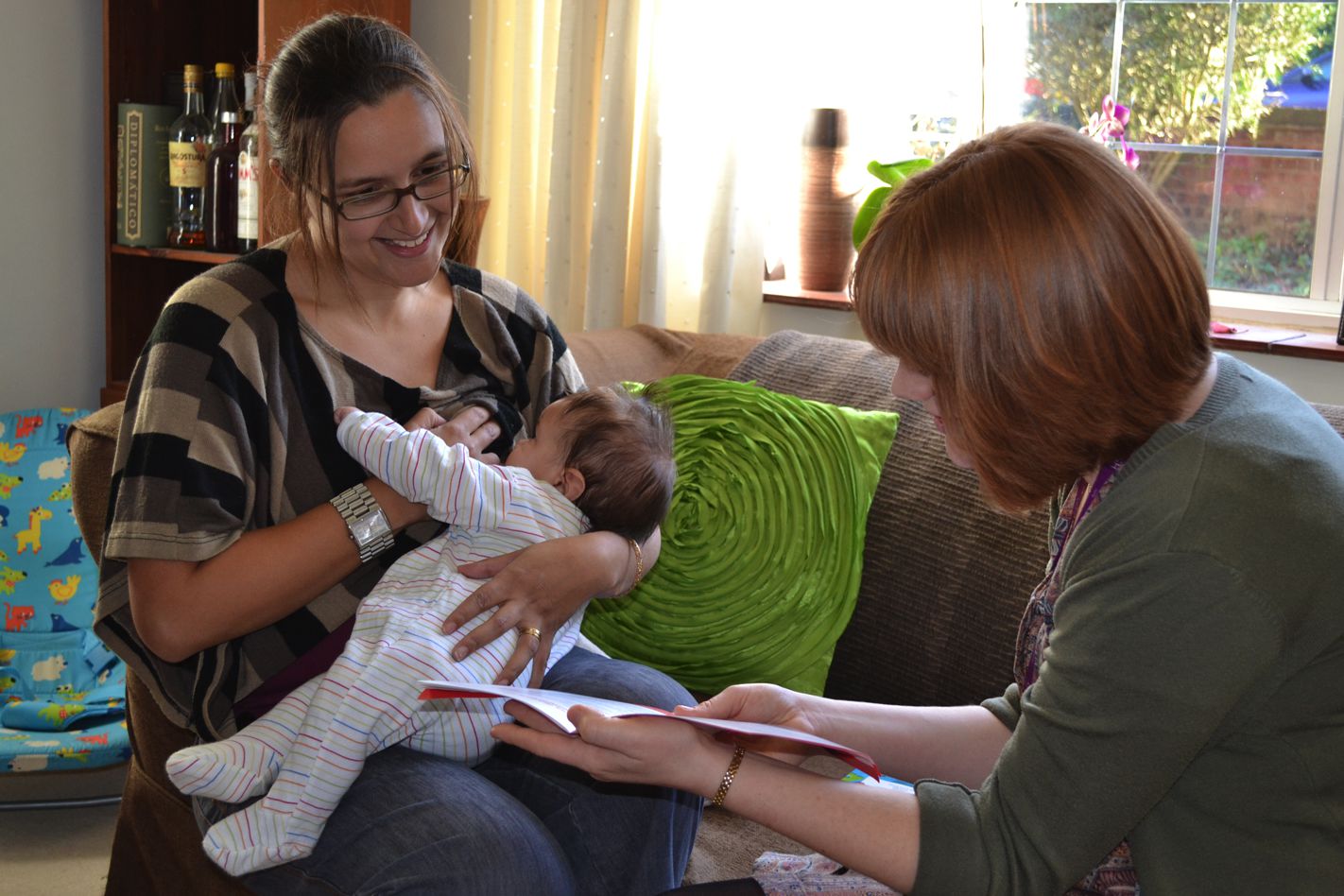
This week (1–7 August) marks World Breastfeeding Week, and this year’s global theme, “Breastfeeding for a Sustainable Start in Life: Strengthen What Works,” feels especially fitting for health visiting. Health visitors are so often one of the first trusted faces parents see when they are working out how feeding is going to fit into family life, and the relationships built in those early conversations shape mothers’ and babies’ health for years to come. This year’s campaign isn’t about finding something new; it’s about recognising what already works and strengthening it, so that every family, wherever they live, can rely on consistent, high-quality support.
Why this year’s theme matters
The 2026 theme asks governments globally, health systems, workplaces and communities to build on what the evidence already tells us works, from skilled infant feeding counselling to continuity of care. Health visitors sit at the centre of that “warm chain of support” – the conversations you have with families antenatally, after birth, and in the months that follow are exactly what this year’s theme asks us to protect and strengthen. The Department of Health and Social Care’s (DHSC) refreshed Healthy Child Programme guidance also reflects this, recognising health visitors’ role in supporting families from pregnancy onwards.
What you’re already sharing
Families hear the same from us: current guidance is for babies to be breastfed exclusively for around the first 6 months, then alongside solid foods into their second year and beyond. Not every mother chooses to, or is able to breastfeed, and some families use formula alone or alongside breastmilk. Infant formula is the only suitable alternative before 6 months and remains the only formula that babies need alongside solid foods from 6 to 12 months – follow-on formula isn’t necessary. Whatever the method, your timely, trusted support helps families make informed choices and reach their own feeding goals.
One place families can turn to for trusted advice
Confusing and conflicting information can be a barrier parents face when feeding their baby. That’s why last October, DHSC and the Department for Education (DfE) jointly launched the Best Start in Life campaign. The campaign will run throughout 2026/27 and brings together trusted, expert information from healthy pregnancy and breastfeeding to supporting children’s early learning and development.
The Best Start in Life breastfeeding pages cover how to hold and attach a baby, how to keep milk supply up, and common problems. Parents can sign up to free, personalised weekly emails tailored to their stage of pregnancy or their child’s age. Health visiting teams can also find a full suite of digital and printed resources to help support new parents through their first weeks of breastfeeding and beyond on the campaign resource centre.
This kind of help matters: the recent infant feeding survey shows women would have liked more support to breastfeed for longer. The campaign also helps families find their nearest Best Start Family Hub, where every hub can connect families to health visiting, infant feeding support and wider help, sometimes all under one roof. In some areas, DHSC-funded Healthy Babies services also offer enhanced local infant feeding support, including peer and community-based help.
Families can also call the National Breastfeeding Helpline (0300 100 0212), which is funded by DHSC and offers free, confidential support any time, day or night.
A healthier start when solid foods begin
Feeding conversations don’t stop once solid foods are introduced, and families will keep turning to you as they navigate the move to solids. The Best Start in Life weaning pages offer clear, evidence-based guidance on when and how to start building a varied diet and managing common worries around allergies and fussy eating.
You may have also seen the commercial baby food and drink guidelines published by DHSC in August 2025. The guidelines call on industry to reduce salt and sugar in, and clean up labelling and marketing of, baby food products by February 2027. The aim is for baby foods and drinks to better match government advice on introducing solid foods, support healthier diets, and protect little teeth. In the meantime, the conversations you’re already having about reading labels, avoiding added salt and sugar, and offering a wide variety of foods, flavours and textures, matter more than ever.
Small conversations, strengthened support
World Breastfeeding Week is a chance to celebrate the everyday work health visiting teams do, and a reminder of how much it matters that every parent knows where to turn for trustworthy advice. The Best Start in Life resources are there to share with families this week, and to support your conversations about weaning and healthier choices as babies grow.


