
2nd March 2026
Moving from “watch and wait” to “recognise and respond”: recognising unilateral cerebral palsy/hemiplegia earlier
In support of World Cerebral Palsy Awareness Month and National Cerebral Palsy Day (25 March), we are delighted to share this blog by Dr Jill Massey. Jill is an occupational therapist, clinician researcher who led the ‘Parents As Partners in Rehabilitation’ (PAPER) study, co-designing tools to better support families of children with unilateral cerebral palsy (UCP). Jill works clinically at Evelina London Children’s Hospital and is a clinical consultant for Cerebral Palsy Alliance, Sydney Australia.
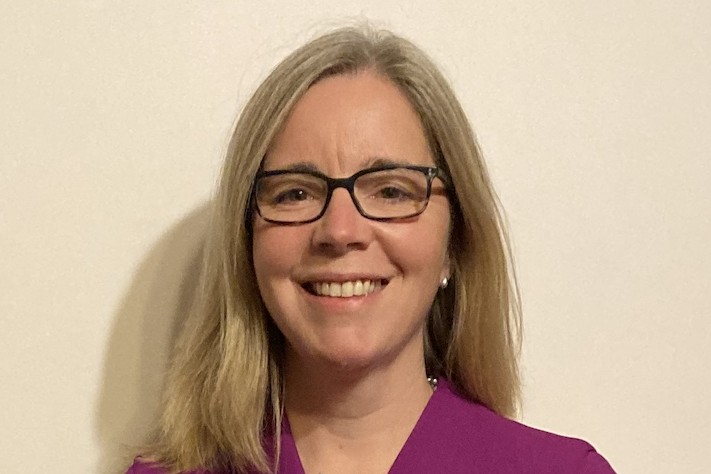
Dr Jill Massey
More Common Than You Might Think
Cerebral palsy (CP) is the most common cause of physical disability in childhood (NICE, 2017). UCP, also known as hemiplegia or hemiplegic CP, affects approximately 1 in 1,000 children and accounts for around 80% of CP cases.
Hemiplegia refers to weakness or reduced movement on one side of the body. Around 80% of cases are congenital and a subtype of CP, while approximately 20% are acquired later in childhood. This one-sided motor difference can affect independence, participation and quality of life (NICE, 2017).
From “Watch and Wait” to Acting Early
In my clinical work, I often hear the same story. A parent notices something early: their baby consistently reaches with one hand, keeps one fist tightly closed, or struggles to bear weight evenly when rolling or crawling. They raise it with a professional and are told to “watch and wait.”
Monitoring can be appropriate. But too often, waiting delays support that could make a meaningful difference. Understanding the difference between delayed development (for example when considering a child’s development using their corrected age) and atypical development is important.
Early recognition matters, for brain development, for family wellbeing and for equitable access to intervention. Health visitors are uniquely placed to identify early signs and respond proactively.
Why Early Identification Matters
Research consistently shows that early intervention harnesses neuroplasticity and improves functional outcomes. Acting early is about enabling development and participation at the earliest opportunity.
Within universal developmental reviews, the following signs of atypical development should prompt professional curiosity and further assessment where appropriate:
- Subtle asymmetries
- Persistent hand preference before 12 months
- Delayed or clearly asymmetrical rolling and crawling
- Parental concerns about one-sided movement
Listening to Parents
My research shows parents often notice first. They sense something is different. Yet many describe being told their baby is “just developing at their own pace.” Leading to delayed diagnosis (Massey et al., 2025) While reassurance can be helpful, repeated dismissal can leave families feeling unheard.
Instead, we can approach concerns as a partnership. Gentle, open questions make a difference:
- What have you noticed?
- When did you first see this?
- How is it affecting everyday activities?
Validating parental insight builds trust and aligns with family-centred public health practice.
Through Experience-Based Co-design, families also highlighted a lack of clear, accessible information when UCP was suspected. In response, we co-designed the Guide to Understanding Hemiplegia, offering evidence-informed guidance on early signs and practical strategies. Importantly, it was written with parents, not just for them.
Act Early: Doing More Good Than Harm
Persistent early hand preference (under 12 months) warrants further assessment. When asymmetry is observed, early upper-limb intervention should begin. Evidence suggests the benefits of early, targeted use of the more-affected arm outweigh the small potential risk of harm from acting before a definitive diagnosis (Morgan et al., 2022).
This means offering supportive, low-risk opportunities for practice while referrals progress. Small, playful adjustments can encourage use of the more-affected side:
- Place toys on the affected side or at midline
- Sit on the affected side and pass objects from that direction
- Encourage two-handed play
- Use tummy time to promote weight bearing through both arms
- Keep hands visible in supported sitting
- Offer light, easy-to-hold toys
- Use bright objects or soft wristbands to increase awareness
The aim is frequent, fun practice embedded in everyday routines. Doing something early is likely to do more good than harm (Morgan et al., 2022).
From Waiting to Proactive Partnership
A proactive approach does not mean diagnosing, it means recognising concerns, supporting families and ensuring timely referral to the right professionals. Diagnosis is made by medical professionals, typically paediatricians, using clinical assessment and, where indicated, neuroimaging such as MRI.
A proactive response may include:
- Offering an earlier developmental review
- Liaising with the GP to support referral to paediatric services
- Signposting or referring to therapy services where appropriate
- Providing simple, strengths-based advice while investigations are ongoing
- Sharing clear, accessible written information
Early recognition and appropriate signposting opens doors to assessment and support, while reducing the emotional burden on families who might otherwise feel they must fight to be heard.
Giving Hope
Conversations about early signs must remain hopeful. Families frequently say that understanding the “why” behind therapy empowers them. When strategies are woven into play, dressing and mealtimes, intervention feels manageable.
Our role is not to predict limits. It is to maximise potential.
By listening carefully, acting early and sharing clear, evidence-informed guidance, we can move from “watch and wait” to “recognise and respond”.
Dr Jill Massey, Clinician Researcher Occupational Therapist
iHV Motor Development Essentials: Ambassador Training for Health Visiting Teams
Join us for this essential iHV Ambassador training programme designed specifically for health visiting practitioners. Motor Development Essentials for Health Visiting will equip participants to become local Motor Development Ambassadors, with access to a comprehensive online toolkit and practical resources to cascade learning within their teams. We encourage services to book pairs of practitioners – one qualified health visitor and one member of the skill-mix team – to maximise impact and support shared learning. The programme aims to strengthen understanding of typical motor development across infancy and the early years, while building confidence in recognising early warning signs of neuro/motor delay, including conditions such as Spinal Muscular Atrophy (SMA) and cerebral palsy. Book your place now to enhance your service’s expertise and support better outcomes for families.

References
- Massey J, Tsianakas V, Gordon A, Robert G. Improving Parent and Therapist Experiences of Codelivering Intensive Upper Limb Interventions for Children With Hemiplegia: A Qualitative Study Using the Theoretical Domains Framework. Child Care Health Dev. 2025 Mar;51(2):e70040.
- Morgan, C., Fetters, L., Adde, L., Badawi, N., Bancale, A., Boyd, R. N., … Novak, I. (Early intervention for children aged 0 to 2 years with or at high risk of cerebral palsy: International clinical practice guideline based on systematic reviews. JAMA Pediatrics. 2021;175(8), 846-858.
- National Institute for Health and Care Excellence. Cerebral palsy in under 25s: assessment and management [Internet]. United Kingdom: National Institute for Health and Care Excellence. 2017. [Accessed February 2026]. Available from: https://www.nice.org.uk/guidance/ng62/resources/cerebral-palsy-in-under-25s-assessment-and-management-pdf-1837570402501, accessed February 2026.
- NHSE. Commissioning framework for children and young people with cerebral palsy. 2025. [Accessed February 2026]. Available from: NHS England » Commissioning framework for children and young people with cerebral palsy


