
28th August 2026
Read this Voices blog by Dr Sharin Baldwin, iHV Senior Health Visitor Research Lead, who shares recently published research on supporting fathers’ mental wellbeing during the perinatal period.
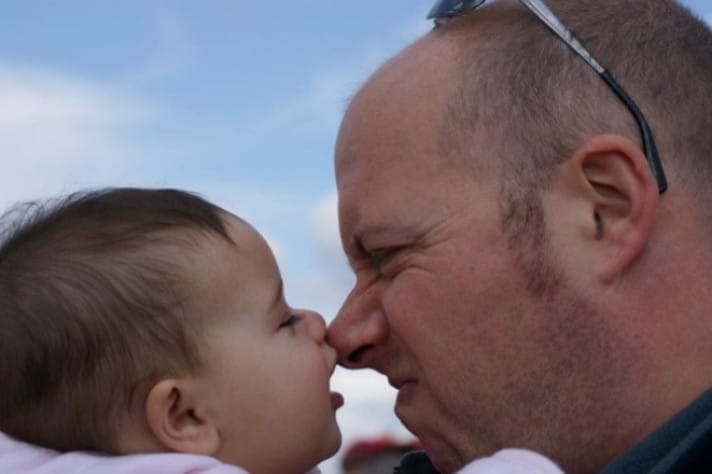
Father image – shared with permission from Dr Sharin Baldwin
New research by Dr Sharin Baldwin, Vicky Gilroy and Professor Sally Kendall highlights the importance of taking a broader, more holistic approach to supporting fathers’ mental wellbeing during the perinatal period.
Published in Frontiers in Public Health this month, the mixed methods systematic review brought together evidence from 18 studies across 11 countries, examining community-based interventions designed to promote good mental health and prevent poor mental health among fathers during pregnancy and the first year after birth.
The review found that while community-based interventions had mixed and generally modest effects on standard measures of mental health, such as depression and anxiety, they offered important wider benefits for fathers. These included reducing social isolation, increasing feelings of connection and belonging, strengthening paternal identity and confidence, supporting father-infant bonding, improving partner relationships and co-parenting, and developing coping skills and mental health literacy.
The authors argue that paternal mental wellbeing should not be understood simply as the absence of mental illness. The transition to fatherhood can involve significant emotional, psychological, social and relational changes, meaning that fathers may experience reduced wellbeing or distress without meeting the threshold for a mental health diagnosis.
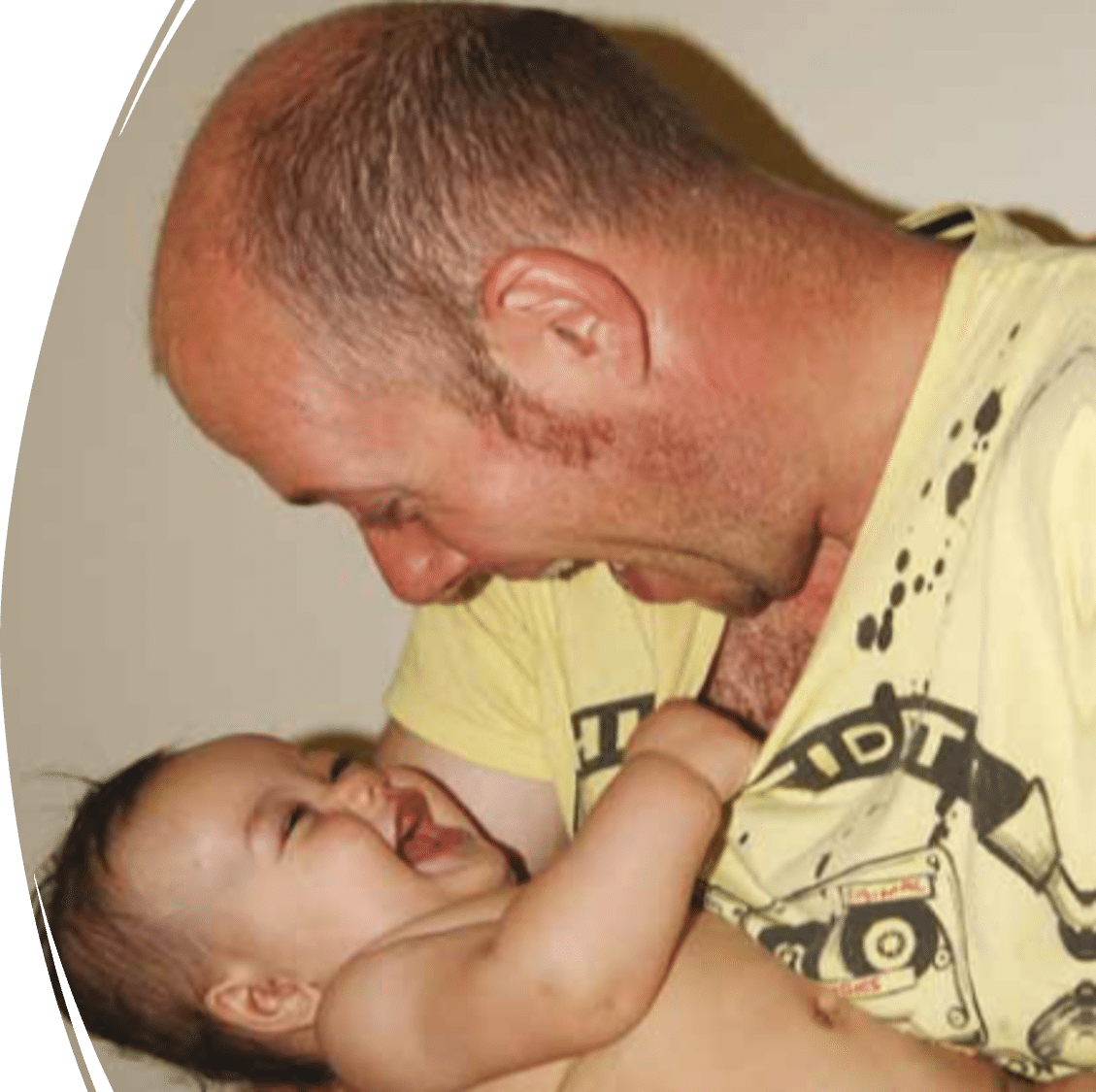
Father image – shared with permission from Dr Sharin Baldwin
The findings have particular relevance for health visiting and other community-based services. Health visitors are well placed to engage fathers as part of their universal work with families, providing opportunities to promote wellbeing, strengthen relationships and identify emerging mental health needs early. The review also highlights the need to look beyond clinical measures such as depression and anxiety when assessing paternal wellbeing, alongside more rigorous evaluation of community-based interventions. This research contributes to the growing evidence base for a more inclusive approach to perinatal mental health, one that recognises fathers as an important part of the family and supports their wellbeing alongside that of mothers and babies.
Dr Sharin Baldwin, Senior Health Visitor Research Lead, Institute of Health Visiting, said:
“Our review shows that supporting fathers during the perinatal period is about much more than identifying or treating depression and anxiety. Fathers’ wellbeing is shaped by their sense of connection, confidence, identity and relationships with their partners and babies. Community-based services, including health visiting, have an important role to play in making fathers visible, listening to their experiences and providing support that promotes wellbeing as well as preventing poor mental health.”