8th December 2025
We are thrilled to publish this Voices blog by Dr Michelle Moseley, iHV Director of Programmes, who shares reflections of her doctoral research findings which formed the development of our exciting new Safeguarding Supervision Champions Programme.
Our new Safeguarding Supervision Champions Programme commences in February 2026! Find out more here.
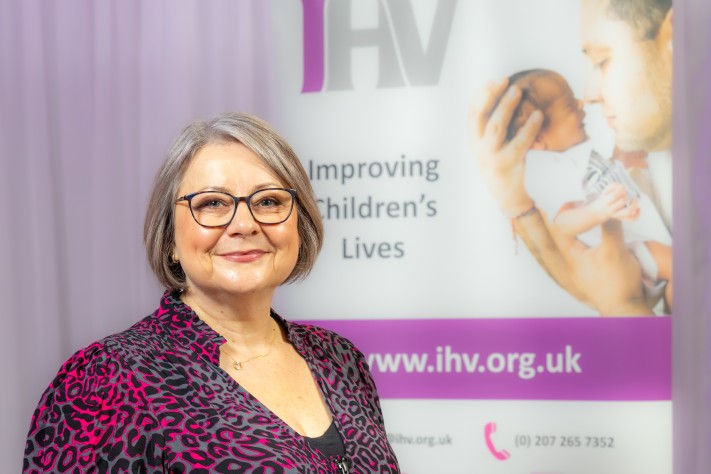
Dr Michelle Moseley, iHV Director of Programmes
A personal reflection
As I was concluding my doctoral thesis, the child practice review (CPR) findings and recommendations were published about the death of Lola James in 2020 (Mid and West Wales Safeguarding Children Board (MWWSCB) 2024). They are a distressing read, but this is the reality and an example of the complexity of safeguarding babies, children and young people (CYP) and how to access families – where the ability to assess risk, be professionally curious and challenge are essential in the delivery of effective safeguarding practice. The child practice review states that, although the COVID-19 pandemic had affected delivery of services, they found no direct evidence that it prevented direct access to Lola.
The child practice review was reported across news channels with criticism directed at the professionals involved – it reminded me of the findings of previous child death tragedies and how we can support practitioners in doing the best for babies, children and families within their caseloads. The risks identified within the CPR included: domestic abuse; substance misuse; a new male partner with additional learning needs; and previous history of perpetrating domestic abuse, as well as maternal mental health issues. These are common cumulative risks identified in serious case reviews (Brandon et al. 2008, 2012, 2016, 2020) and risks seen by health visitors on a daily basis. I wonder how these recommendations across all serious case reviews actually impact on improving practice for the long term. We move from one buzz word/terminology to the next. There were flaws in service delivery in this case – staff sickness, resources, as well the pandemic. I always reflect in such cases on how the health visitor was supported prior to, during, and post the CPR. The authors of the review state that the pandemic did not affect access to services, but there were three children in a house, with COVID-19 restrictions in place, and a multitude of risks present.
There was one reference to supervision which was more focused on a managerial supervision stance, rather than supervision that is educational, restorative, and supportive – with the recommendations referring to improving processes and training. Learning from these tragic events is never straightforward because, as we know, families and situations are complex and often evasive.
The wellbeing of health visitors, who are dealing with the complexities of safeguarding practice, is paramount to prevent feelings of being overwhelmed and carrying the burden of the safeguarding of families outside of the working day. This can lead to moral distress and attrition which can be preventable when health visitors are supported with access to authentic safeguarding supervision and clinical supervision processes.
In my PhD findings, I found that health visitors often felt “full to the brim” which led to this phrase being the title of my thesis. I saw the impact on the health visitors, and it emphasised the need for and importance of an effective safeguarding supervision education programme for supervisors. As well as raising awareness of its importance, safeguarding supervision needs to move away from a tick-box process to a process that is meaningful, supportive and person-centred.
Safeguarding supervision
Safeguarding supervision should provide a structured discussion between supervisee and supervisor to support and advise on specific complexities and challenges within their caseloads. For safeguarding supervision to enhance safeguarding practice, accountability and responsibility is targeted to the organisation, the supervisor, and the supervisee – with the aim to develop competent, confident, professionally curious practitioners who work across all relevant agencies to support the best interests of a baby/child/young person/individual and their families.
Although my research was health visitor focused, this new programme is suitable for safeguarding supervisors across health and social care professions. The aim of the programme is to equip safeguarding supervisors with research-based knowledge and tools to effectively manage safeguarding supervision across their fields of practice which is baby/child/young person/individual/family focused.
This education, learning and development programme will enable participants to become Safeguarding Supervision Champions – to promote the purpose of authentic safeguarding supervision, and for them to become place-based leaders in raising awareness of its relevance with peers/colleagues as well as within their organisations. They will have access to cascade education and learning materials to update staff within their areas. This programme aligns to:
- The safeguarding children and young people and CYP in care: competencies for health care staff, intercollegiate document (RCPCH 2025)
- The standards of proficiency for specialist community public health nurses. (NMC 2022)
- The UN Convention on the Rights of the child (UNICEF 1989)
- The UN Sustainable Development Goals (UN 2015)
It is important that safeguarding supervisors have a network to share best practice, evidence, research, and have a safe space to discuss their own practice experiences. Therefore, as part of this new Champions education programme, I am delighted that iHV will set up a Safeguarding Supervision Champions Forum to meet bi-annually.

Dr Michelle Moseley, iHV Director of Programmes
References
- Brandon, M., Dodsworth, J., Rumball, D. (2005). Serious case reviews: Learning to use expertise. Child Abuse Review. 14(3), pp.160-176.
- Brandon, M., Belderson, P., Warren, C., Howe, D., Gardner, R., Dodsworth, J., Black, J. (2008). Analysing child deaths and serious injury through abuse and neglect: What can we learn? A biennial analysis of serious case reviews 2003-2005. Norwich: University of East Anglia: Department for Children, Schools and Families.
- Brandon, M., Bailey, S., Belderson, P., Gardner, R., Sidebotham, P., Dodsworth, J., Warren, C., Black, J. (2009). Understanding serious case reviews. A biennial analysis of serious case reviews, 2005-2007. . Norwich: University of East Anglia: Department for Children, Schools and Families.
- Brandon, M., Sidebotham, P., Bailey, S., Belderson, P., Hawley, C., Ellis, C., Megson, M. (2012). New learning from serious case reviews: A 2-year report for 2009-2011. London: Department for Education.
- Brandon, M., Sidebotham, P., Belderson, P., Cleaver, H., Dickens, J., Garstang, J., Harris, J., Sorenson, P., Wate, R. (2020). Complexity and challenge: A triennial analysis of SCRs 2014–2017. Final report. London: Department for Education.
- Mid and West Wales Safeguarding Children Board (2024). Concise child practice review report. CYSUR 1/202. Available at: Cysur | Mid & West Wales Safeguarding Board Safeguarding children & adults [Accessed 14.08.24]
- Nursing and Midwifery Council (NMC) (2022) The standards of proficiency for specialist community public health nurses. standards-of-proficiency-for-scphn-print-friendly.pdf [Accessed 05.12.2025]
- Royal College of Paediatrics and Child Health (2025) Safeguarding Children and young people and CYP in care: competencies for health care staff (ICD). Safeguarding children and young people and CYP in care: competencies for health care staff (ICD) | RCPCH [Accessed 05.12.2025]
- UNICEF (1989) United Nations Convention on the rights of the child UNCRC_summary-1_1.pdf [Accessed 05.12.2025]
- United Nations (2015) Sustainable Development Goals. Sustainable Development Goals | United Nations Development Programme [Accessed 05.12.2025]


