6th October 2026
We are delighted to share this Voices blog by iHV Fellow, Bridget Halnan, Senior Lecturer on the SCPHN Programme at Anglia Ruskin University, on new concerns about the safety of imported eggs.
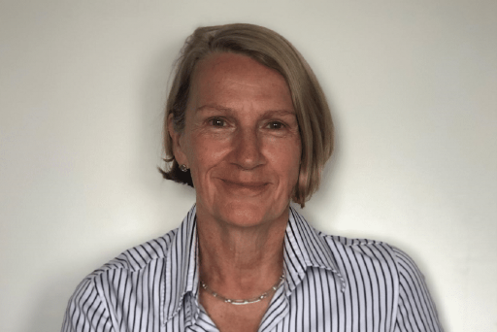
Bridget Halnan, iHV Fellow and Senior Lecturer on the SCPHN Programme at Anglia Ruskin University
Many health visitors will have been shocked by recent headlines concerning food poisoning cases in the UK linked to eggs. For many years now we’ve been confidently recommending eggs as a safe, cost effective, sustainable and nutritious food for all. More recently we’ve been advised by the NHS (Weaning and Feeding guideline) to encourage families to include eggs within the infant diet from around 6 months, to help protect against allergy.
But in August came the news that imported eggs had been identified as the cause of salmonella food poisoning with more than 500 cases identified across the UK, more than a third of affected individuals needing hospital treatment and sadly, two deaths.
So how, you may you be thinking, does the problem of imported eggs link to both maintaining your Standards of Proficiency, food safety and the iHV key pledge to improve sustainability, climate change and reduce child health inequalities?
Salmonella infection causes diarrhoea, stomach cramps, and fever with symptoms starting 6-72 hours after eating contaminated food. Most healthy people will get better without treatment, but salmonella can be much more serious for vulnerable groups such as infants, pregnant women, older people and those with compromised immune systems.
I would argue that importing eggs can be linked to several areas of the Standards for SCPHN proficiency, from knowledge of the links between global, national socio-economic and political (A3), to infant feeding (DHV8), and the management of new and enduring hazards (E11). If you consider vaccination programmes (E9), you could even stretch the point to the vaccination of hens against Salmonella in the UK.
So how could this have happened in the UK and should health visitors still be recommending eggs as part of a healthy diet for infants and young children?
The UK Health Security Agency has reported that all of the UK cases involve bacteria that are almost genetically identical, suggesting a common food source, and most people have become ill after eating out rather than at home.
Fortunately, the Food Standards Agency has now confirmed that there is no evidence that UK-produced eggs are affected and that it remains safe for everyone to buy and eat British eggs – and this is an important message for parents that health visiting practitioners can communicate.
Most eggs sold through supermarkets are safe because they are produced in the UK and carry the British Lion mark. However around 10% of eggs in the UK are imported, these tend to end up being served in cafes, restaurants and used within catering. This percentage has risen in recent years, particularly from countries with lower production and food safety standards than the UK, including Poland and particularly Ukraine, where conventional battery cages – which have been banned in the UK since 2012 – are still used. British producers say these imports risk undermining the integrity of British eggs and raise significant food safety and ethical concerns.

British Lion marked egg
All suppliers of British Lion mark eggs have to follow a strict code of practice that covers vaccinating hens against salmonella, and testing of eggs, hens and feed, and the same NHS weaning and feeding guideline clearly states that eggs without a red lion stamp should not be eaten raw or lightly cooked.
Imported eggs are often significantly cheaper than those produced by British farmers and often end up on the wholesale market where they are bought by restaurants and cafes, as well as some smaller retailers. Invariably their carbon footprint due to the long distances from farm to UK markets will be higher than UK produced eggs.
British producers are understandably furious at the current damage caused by headlines linking salmonella to eggs. Some health visitors will be old enough to remember the salmonella crisis of the late 1980s when Edwina Currie, the junior Health Minister at the time, first warned about egg safety. A remark during a TV interview in 1988 linking eggs to Salmonella caused decimation to the UK egg industry and led to her resignation. This spearheaded British egg producers to develop the British Lion Code of Practice which ensured the future safety of British eggs.
British egg farmers have been asking for a level playing field for some time, saying imported eggs entering the UK should meet standards equivalent to those expected of British producers, to protect British consumers.
Meanwhile, NHS advice remains the same; namely that British Lion eggs can be consumed runny or even raw by vulnerable groups.
The best advice health visitors can give to families is to look for the British Lion mark on eggs when buying them and if they wish to eat lightly cooked eggs when eating out, ask the café or restaurant where their eggs come from – if they’re not British, they should be fully cooked.
Key messages for health visiting and to improve sustainability include:
- To ensure families have access to reliable advice on egg safety – communicating the Food Standards Agency advice that there is no evidence that UK-produced eggs are affected and that it remains safe for everyone to buy and eat British eggs.
- To ensure health visitors, families and staff have the knowledge they need to make a positive impact on climate change. UK produced eggs have less distance to travel their UK market.
- To explore opportunities to advance the research on the effects of climate change and child health inequalities. We cannot promote the use of cheaper imported eggs at the risk to children’s physical health.
- To ensure practitioners have access to training on the key aspects of sustainable healthcare. Eggs are the most sustainable source of animal protein.
- To advocate for improved sustainability locally, showcasing best practice and supporting NHS Net Zero. Best practice is to follow NHS advice and NHS Net Zero would, I imagine, advocate for UK produced eggs.
Relevant proficiencies include:
A.3 use an expanded knowledge of the links between global and national socio-economic and political strategies and policies and public health to drive and influence their own field of SCPHN practice. Global Standards of Food Safety are not all the same. Health Visitors need the knowledge regarding the risk of Salmonella from non-UK produced eggs.
B.11 share outcomes and lessons learned from audit, research and evaluation in specialist public health nursing practice locally and nationally and across sectors through professional and peer reviewed processes. Research has identified the source of the outbreak as imported eggs. Health Visitors are ideal communicators of this to all families.
C.1 critically analyse the factors that may lead to inequalities in health outcomes and health inequity and take appropriate action to mitigate their impact on people, communities and populations. We know that inequalities in health outcomes extend to food choices. This cannot be at the expense of risk to health.
C.11 lead on identifying vulnerable people, families, communities and populations and take action to support, safeguard and protect them, and coordinate timely care and other responsive support when needed. Health Visitors need to alert families to the risk of consuming eggs without the Lion Mark.
C.HV1 critically analyse and apply evidence-based knowledge of the determinants of health, intergenerational cycles of deprivation and health inequalities that affect the mental, physical, cognitive, behavioural, social, and spiritual health and wellbeing of children, parents, carers and families. This is new and emerging evidence.
D.HV2 apply specialist knowledge and use validated tools to deliver holistic health assessments and programmed health and development reviews, working in partnership with parents and families to promote health and identify emergent and existing concerns including vulnerability and inequality, and facilitate and prioritise support and/ or early intervention for the child and family as appropriate. Infants and pregnant women are especially vulnerable to the risks of consuming runny or raw non-Lion Marked eggs.
D.HV8 critically apply specialist knowledge of the anatomy, neurodevelopment, physiology and epigenetics relevant to infant nutrition, including the implications of infant feeding, weaning and early food behaviour for optimum child and maternal health, child physical and socio-emotional development and future behaviour patterns. Eggs are a particularly good source of protein and relatively inexpensive compared to other sources of animal protein, but care must be taken when selecting where to buy them.
D.HV9 using a strength-based approach support children and families to identify risks to healthy weight in childhood, promoting family nutrition and supporting them to make optimum and available choices, referring to other services according to need and risk. For all the reasons above.
E.8 advance public health through identifying sustainable development goals and prepare to take action on risks to the environment and its impact on the health and wellbeing of people.
E.9 share information regarding communicable diseases and approaches necessary for communicable disease surveillance, infection prevention and control, including immunisation and vaccination programmes. This relates to the UK vaccination programme for Hens against Salmonella.
E.11 know how to identify, critically analyse and manage new and enduring hazards and risks to health at local, national and global levels. This is of course, the crux of this blog – the new and emerging hazard of imported eggs and the risk to vulnerable groups of Salmonella.
Bridget Halnan (FiHV), Senior Lecturer on the SCPHN Programme, Anglia Ruskin University.


