Friday, 13 November 2026
In support of next week’s iHV Week of Health Visiting and SEND 2026: Everyone Has a Part to Play, read this Voices blog by Lucienne Cooper, Training Manager at Down Syndrome UK, who shares why health visitors make such a difference to families with babies with Down syndrome.
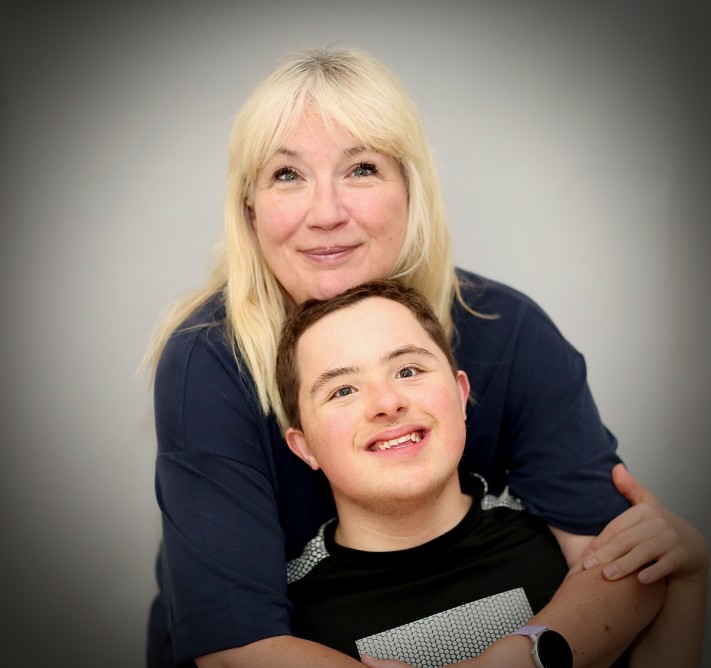
When a baby has Down syndrome, families can find themselves navigating a lot of new information, appointments and questions. Who can they turn to for practical advice? Who can help them make sense of their child’s development? And who can point them towards support that really understands Down syndrome?
Health visitors are an essential part of the team around a family - offering trusted advice, continuity and practical support through those important early years. Your role is every bit as valuable as that of other medical specialists, and your ongoing relationship with a family can make a real difference.
At Down Syndrome UK (DSUK), we know that the right information, at the right time, can make a huge difference. And when that information is specifically about Down syndrome, it can be even more useful.
You’re part of the team around the family
Families need more than appointments and information leaflets. They need someone who can listen to their questions, talk through the everyday stuff, support their child’s development and help them find their way through the maze of information and services. You can be the familiar face they turn to with a question or worry - someone who gets to know the whole family, not just one part of their healthcare.
Every family’s experience is different. Some parents will have known about their baby’s Down syndrome during pregnancy; others will receive the diagnosis after birth. Parents might feel confident one day and overwhelmed the next. A warm conversation, a listening ear and support without assumptions can help them feel less alone.
Down syndrome-specific support: the little details make a big difference
There’s no crystal ball that can tell us exactly what any child will achieve - and we wouldn’t want one! Children with Down syndrome are individuals, with their own personalities, strengths and interests. They benefit hugely from information and approaches tailored to their particular learning and development profile.
That’s where DSUK comes in. We have practical, Down syndrome-specific resources and programmes that you can share with families, including:
- breastfeeding advice for babies with Down syndrome;
- toilet-training support;
- nursery and primary school education programmes; and
- resources to help families and professionals understand and support children with Down syndrome.
These aren’t just generic tips with ‘Down syndrome’ added to the title - they’re designed with the specific needs and experiences of our children and families in mind. They can help parents tackle the questions in front of them now, build skills and confidence, and keep looking ahead to all the possibilities for their child.
That’s the point: recognising individual needs while never losing sight of a child’s full and wonderful potential.
Ages and Stages checks: one size doesn’t fit all
Developmental reviews and Ages and Stages checks can show where a child is making progress and where extra support might be useful. But it’s worth remembering that parents can experience these conversations in very different ways.
Some parents want a clear picture of their child’s development, including the areas where they may need more help. This information can help them advocate for their child and may also be useful when gathering evidence for a Disability Living Allowance application. Other parents may find it upsetting if their child is repeatedly measured against milestones designed around typically developing children - particularly if they are already feeling anxious or vulnerable.
Children with Down syndrome will take longer to reach developmental milestones. That doesn’t mean we should avoid honest conversations or miss opportunities to offer support. It does mean taking a thoughtful, flexible approach: explain what the checks can tell us, focus on the child’s own progress, and ask parents how they would prefer information to be shared. A checklist can be useful, but it can’t tell the whole story of a child.
We’re here for you, too
You can’t be expected to know everything about Down syndrome - but you can draw on the knowledge of families who have the lived experience, and on organisations with specialist expertise.
That’s why DSUK is delighted to offer CPD-accredited training specifically for health visitors. It’s a chance to build your knowledge, hear about families’ experiences, and discover resources you can use in your work.
During the Week of SEND and Health Visiting, we want to say a big thank you for the difference you make. You are an essential part of the team around the family — offering continuity, practical advice, knowledge and encouragement through those important early years.
With the right people and support around them, children with Down syndrome can keep learning, growing and surprising us. We can work together to help every child move towards their full and wonderful potential.
Find out more
🔗Explore Down Syndrome UK’s resources and CPD-accredited health visitor training
Lucienne Cooper, Training Manager, Down Syndrome UK
iHV would like to thank DSUK for its support to strengthen iHV resources for health visitors over many years, including iHV Good Points.
For iHV member resources on Down syndrome, click here.